
Hungary
2 English Teaching Assistant Award
Accepted Degree Levels
|
Grant PeriodSeptember StartGrant Length9 Months |
Award Type
Award Profile
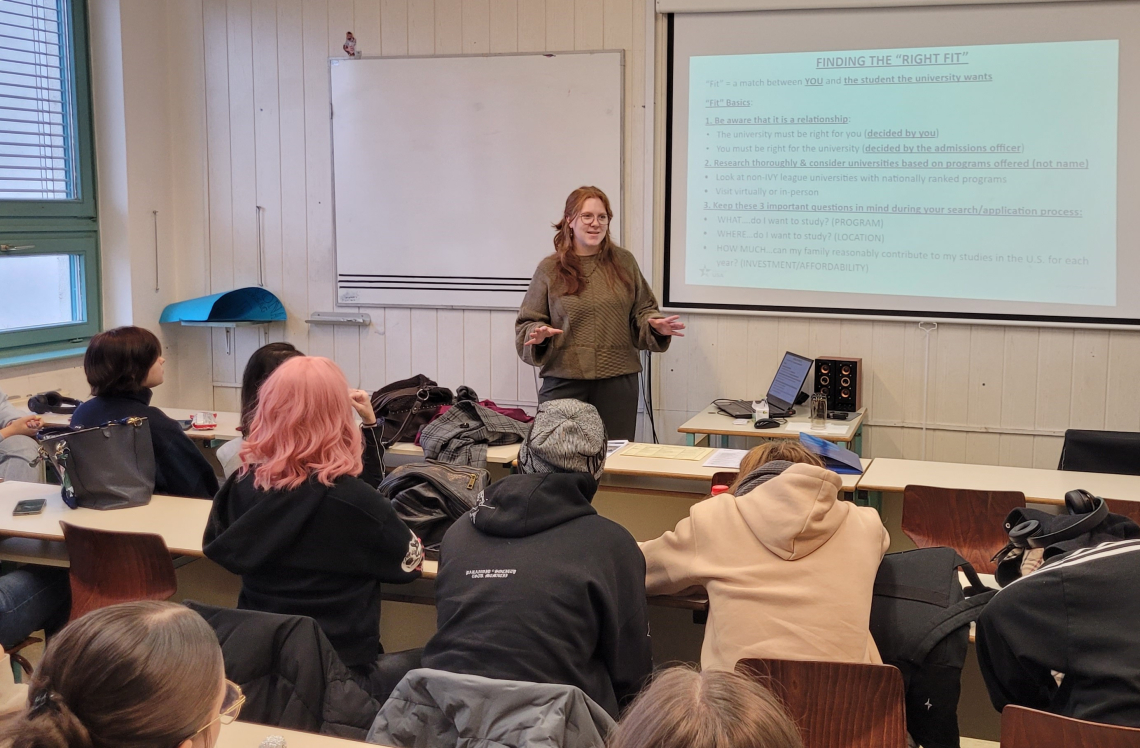
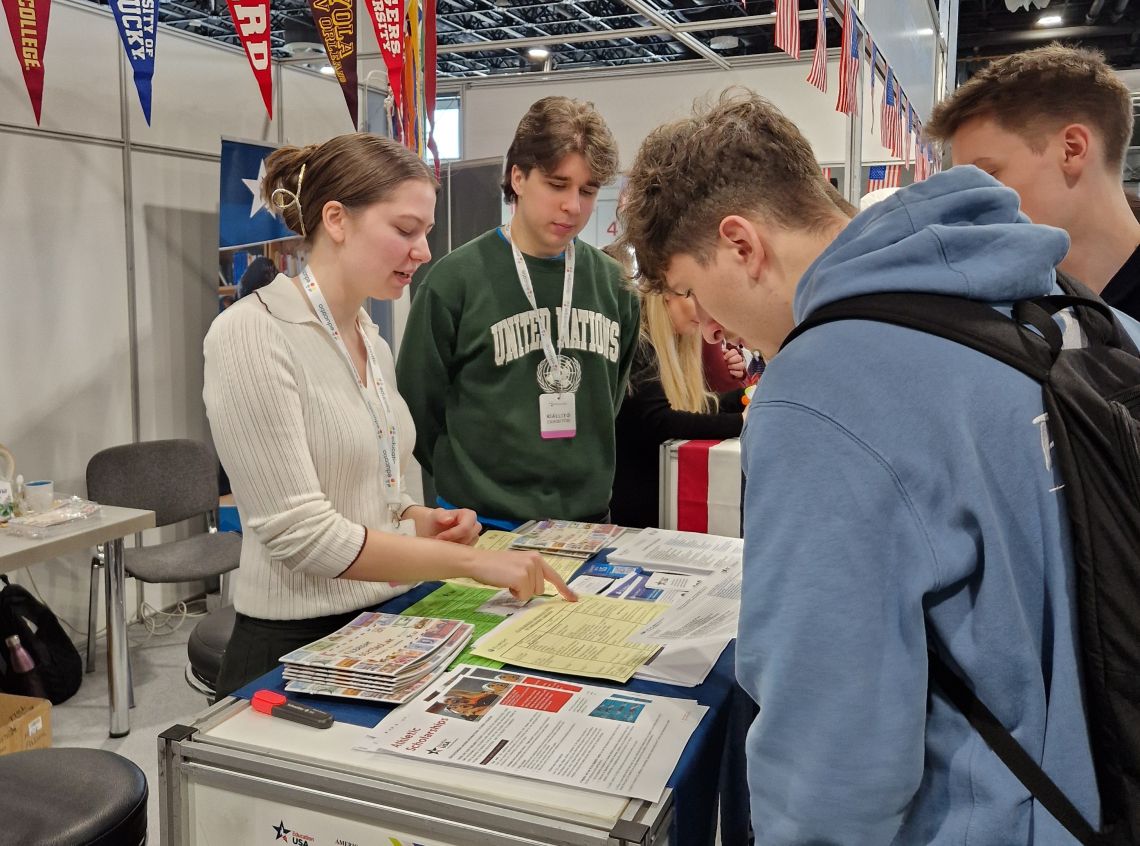
ETA grantees in Hungary have a double assignment: they teach two to four courses of English and American culture classes at a university with an American Studies program, and assist the work of EducationUSA centers and American Corners in Hungary advising Hungarian students on studying in the U.S.
ETA grantees work to improve their students' English language skills and teach them about different aspects of the United States' culture. They are responsible for developing their own lesson plans and managing their own classrooms.
EducationUSA centers and American Corners serve over 9,000 Hungarian and international students each year in their search for U.S. study and scholarship opportunities. ETA grantees help high school, undergraduate and graduate students by providing individual counseling, leading workshops (CV and essay writing, TOEFL/SAT/GRE test preparation), participating in EducationUSA outreach activities and in educational fairs, preparing e-newsletters, and providing information through various social media channels. ETA grantees are also encouraged to do volunteering activities in their placement communities.
Grant Length
Grant Period
The grant period will begin in September 2027 and will last through May 2028.
Orientation
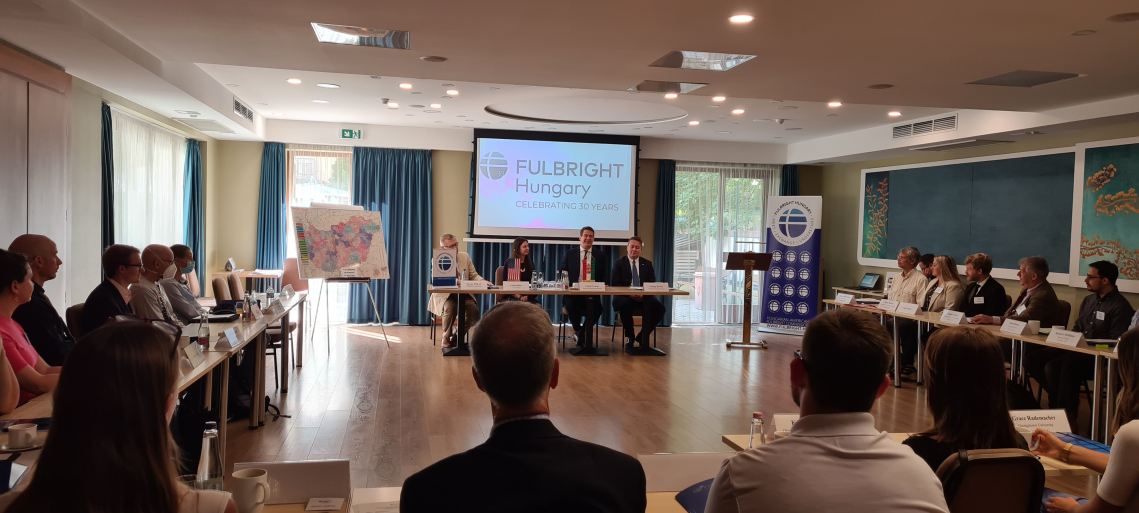
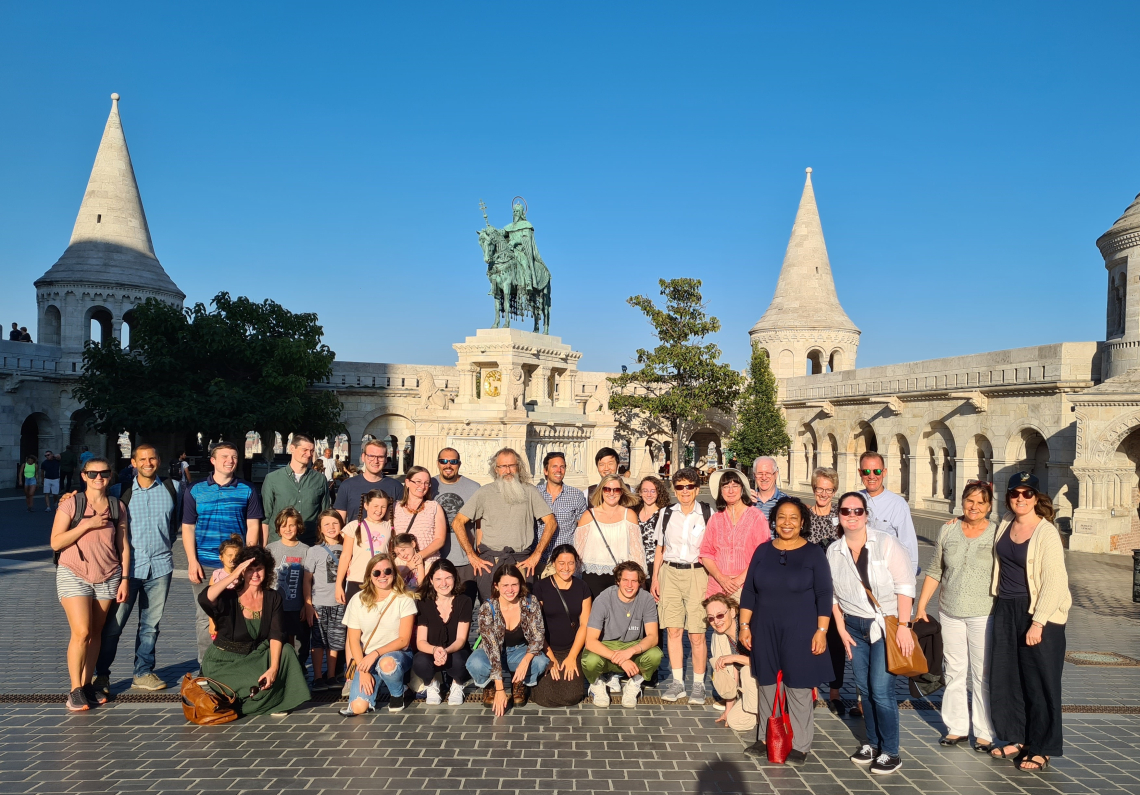
The Hungarian Fulbright Commission provides a 4-day orientation program in Budapest at the beginning of September, which includes basic language and intercultural competency training, and sightseeing tours. Attendance at the orientation course is expected.

Candidate Profile
Applications are welcome from students from the following fields: TEFL/applied linguistics; American literature; American history; American studies; Creative Writing; Folklore; Political Science; Social Studies; and/or graduate students interested in international education and educational advising. Previous experience of a minimum of two years of classroom teaching, mentoring, tutoring, or teaching assistantship is highly recommended.
Applicants should be mature, resourceful, flexible, and should be willing to engage in extracurricular activities. Social media competency preferred.
Applicants should submit detailed descriptions of their study or career interests and also include well-thought-out and feasible project proposals. Details of assignments will be subject to direct communication between selected candidates and designated institutions.
What is life like for Fulbrighters in the host country?
Applicants are expected to research their host country. Application materials should indicate a clear commitment to the host country community and a description of how you will engage with it.
Hungary is located in Central Europe at the intersection between East and West. It has a vibrant culture. Fulbrighters living in the country are at the heart of history, museums, beautiful architecture, monuments, and parks.
Living in Budapest and other major cities is filled with cultural activities: great exhibitions, concerts, plays, festivals – there is always a lot going on, and tickets are relatively inexpensive.
For study and research, there is a plethora of resources and opportunities. Grantees should be prepared to work independently and be willing to take the initiative to maximize their experience.
Budapest is a safe city with reliable and affordable public transportation. Regional cities are also safe, and have a lot to offer. Living there is quieter, but there are many benefits. There are great restaurants, charming cafés, beautiful libraries and archives in every major city. Food and drink cost about 30% less than in the United States, and the quality is generally high.
Universities have a lot of international students and faculty, and they offer a great number of cultural opportunities and comprehensive programs.
Hungarians may be more reserved than Americans, but they are very friendly, respectful, and helpful.
Most educated and young people speak English.
The climate is moderate, similar to that of Washington, DC, but is much less humid.
Adjustment to living in a foreign country can be challenging at the beginning, but as grantees get to know the country and the people, living in Hungary is a very rewarding and life-changing experience.
Eligibility
5 Months
Degree Level of Applicant
- Bachelor's
- Master's
- Doctoral
Foreign Language Evaluation (FLE) Form
If required, submission of the Foreign Language Evaluation (FLE) form is mandatory, even if you have advanced skills or are a native speaker of the language. Failure to submit the required FLE form may impact your eligibility.
Additional Information: Hungarian language proficiency is not a requirement in the candidate selection process. Some study of Hungarian prior to arrival is encouraged in order to promote deeper engagement with the host community.
Placement Type
- University/Post-Secondary Institution
Two grants are available. Both placements include teaching two to four courses per week, as well as advising Hungarian high school through graduate students on study opportunities in the United States.
Placement Locations
- Capital City
- Regional City
One placement will be in Budapest at the Fulbright EducationUSA Advising Center and a university with an American Studies program. The second ETA grantee will be placed at a university outside of Budapest in one of the regional cities where they can teach English and American culture and can assist the work of one of the American Corners in Hungary.
Award Benefits
- A stipend broadly based on the cost of living in the host country. These funds may be used by the grantee to support housing, meals, and incidental costs during the grant period.
- International travel benefits
- Accident & sickness health benefits
- 24/7 mental health support line for urgent and non-urgent situations
- 12 months of non-competitive eligibility (NCE) hiring status within the federal government
- English language teaching preparatory course
Stipend Amount
This is an estimated amount and is subject to change. The financial terms of the grant will be confirmed in the grant document issued after selection.
The monthly stipend amount includes: $1,300 and HUF 200,000 (local currency allowance, appr. $600)
One-Time Allowances
This is an estimated amount and is subject to change. The financial terms of the grant will be confirmed in the grant document issued after selection.
- Excess baggage fees
- Language training allowance
- Settling in allowance
A one-time settling-in allowance of $300 paid at the beginning of the grant period.
Travel allowance of up to $1,500 (reimbursement of actual cost of direct, most economical airfare and excess baggage fee against invoices/eticket paid upon arrival in Hungary).
Hungarian language course fee: if a grantee decides to study Hungarian during the grant period, course fees are covered by the Fulbright Commission up to a reasonable amount.
Additional Grant Benefits
Monthly cultural enrichment program costs are covered by the Fulbright Commission.
Supplementary Project
In addition to teaching and advising activities, if an ETA grantee wishes to engage in an independent research or study project, they are welcome to do so. Approximately 12 hours per week will be reserved for such a project if needed. They can also pursue activities related to their personal and educational interest such as engaging in volunteer activities, community service, organizing club events, taking classes of their own interest, or developing a new skill.
Estimated Cost of Living
Consider using cost of living comparison websites to gain a better understanding of the potential costs in your host country.
Cost of living in Hungary is on average about 30% lower than in the United States.
Depending on the size and quality of the apartment, housing in downtown Budapest ranges between $600-$1,200 per month.
Utilities, internet connection, and building maintenance fees average about $150-200 per month; but could be included in the rent.
Housing and living costs in smaller cities could be somewhat lower.
Groceries for one person could typically cost between $200-250 per month. Eating out per meal costs approximately $15-30.
In-country travel costs: monthly Budapest travel pass (unlimited travel on all means of public transportation): $28, a round-trip train ticket between Budapest and another major city: $20-25
A museum admission ticket is between $10-20, concert tickets (good seats) are between $15-30, opera tickets are more expensive
Cost of living in Hungary according to: Numbeo Website; Expatistan Website (prices in Hungarian currency, average exchange rate: USD 1 = HUF 330)
Dependents
To be considered an accompanying dependent, the individual must be a spouse or a close relative (child, parent) who is financially dependent on the grantee and spends at least 80% of the grant period with the grantee abroad.
Dependent allowance: $100 per month for one or $200 per month for 2 or more dependents
Dependent travel allowance: $500 for one or $1,000 for two or more dependents (reimbursement of actual cost of direct, most economical airfare against invoices/eticket paid upon arrival of Hungary)
Housing Arrangements
Grantees are responsible for finding housing, but the Hungarian Fulbright Commission and/or their host university will assist.
Country Overview
Hungary is a welcoming country that boasts rich cultural and educational traditions. Because the country has historically been the crossroads to many different cultures, our Fulbrighters will be able to witness these influences first hand. From Roman, Romanesque, medieval and neoclassical architecture, Turkish mosques and spas, an abundant art and music presence, and the diverse cuisine; there is sure to be something to intrigue everyone. Hungary has produced numerous Nobel laureates across various fields, including scientists like Katalin Karikó (Medicine, 2023), Ferenc Krausz (Physics, 2023), and László Krasznahorkai (Literature, 2025).
Hungary has many well-known universities and research institutions with strong international connections, joint programs, and many international students. The academic year is from September to June. Semesters are four months in length. The fall semester starts in September, the spring semester in February. English language is sufficient for teaching and research in all fields. Over 700 study programs in English and other foreign languages are offered by Hungarian higher education institutions, see Study in Hungary.
The Fulbright Program enjoys high prestige in Hungary. The Fulbright Commission in Budapest offers grantees thorough assistance during their preparation for their grant period in Hungary, with finding housing and with their entry visa/residence permit application. Fulbright grantees are exempt of paying the visa/residence permit application fee.
The Commission organizes an extensive four-day orientation program for the newly arrived U.S. grantees. The orientation program provides an overview of Hungarian history, culture, and introduces grantees to current academic, political and practical issues. All through the grant period, grantees are regularly invited to participate in cultural enrichment programs. These monthly meetings, trips, cultural events and conferences offer interesting insights into Hungarian culture and different kinds of institutions, and also foster team spirit among grantees. Grantees are also welcome to set up individual meetings with Commission staff.
Medical care in Hungary is extensive. Grantees and dependents can use the services of state-run medical institutions or private English-language clinics.
Hungary is considered to be a very safe country with beautiful architecture, abundant cultural opportunities, great food, and pleasant weather. Public transportation in the capital city is extensive and inexpensive: buses, trams, metro cars, trolley buses, suburban trains run frequently. The network of intercity trains and buses offer good service to cities in the countryside.
A few quotes from previous Fulbright recipients:
‘I would not be the musician that I am today without the brilliant people of the Hungarian Fulbright Program. They believed in my purpose and dedicated the resources necessary for my year at the Kodály Institute in Kecskemét, Hungary. This experience was life-changing. I’d particularly like to thank my mentors at the Institute, whose teaching transformed my musicianship and continues to inspire me.’ (Natalie)
‘Budapest is a city that effortlessly blends history, culture, and creativity, making it truly mesmerizing. Its majestic architecture, from the grandeur of the Parliament building to the timeless elegance of Buda Castle, tells stories of centuries past. It’s a city that doesn’t just showcase art; it lives and breathes it, creating an inspiring experience for everyone who visits. I love Budapest!’ (Delia)
Recent Fulbright U.S. Student/ETA available for reference:
-Ali Dadawalla (2024-2025, study/research), email: alidadawalla@gmail.com
-Olivia Murr, ETA (2024-2025, ETA), email: livimurr@gmail.com
Prospective applicants may contact the Hungarian-American Fulbright Commission for Educational Exchange for advice or for further information.

Fulbright Program Management Contact
Fulbright Commission/U.S. Embassy Website
Fulbright Commission/U.S. Embassy Contact
Additional Online Resources
Who is the best applicant?: https://www.youtube.com/watch?v=1LT_xw0G03Y
What did you achieve thanks to Fulbright?: https://www.youtube.com/watch?v=OW552yktR-Y&t=23s
US student grantee video: https://www.youtube.com/watch?v=Wff3MfVBoWI&authuser=0
EducationUSA: http://www.fulbright.hu/educationusa/
American Corners in Hungary: https://hu.usembassy.gov/education-culture/american-spaces/